Method 1: Cut the yellow croakers into small chunks. Marinade the chunks with the mixture of soy sauce and wine for a day. Drip dry. Fry the pieces until both sides are golden brown, then add a small cup of Jinhua Douchi, a bowl of sweet wine, a small cup of autumn sauce [1] , and bring to a boil and simmer. When the sauce has reduced and turned red, add sugar, pickled cucumber and ginger, and continue to simmer until dry. This process will ensure the dish has a deep, rich flavor.
Method 2: Shred only the fish meat, and cook it with chicken broth while lightly season it with sweetened soy sauce, and add adequate amount of corn starch to make it into a thick soup.
Braising mussels with pork, making it into a fresh, tasty soup. Or remove the innards of the mussels and cook the remaining meat with wine.
(原文) 海蝘,寧波小魚也,味同蝦米,以之蒸蛋甚佳。作小菜亦可。
Haiyen (whitebaits) are small fish from Ningpao. Its taste approximates that of dried shrimps. Adding it to steamed eggs would please your palate. It could be served as a side dish as well.
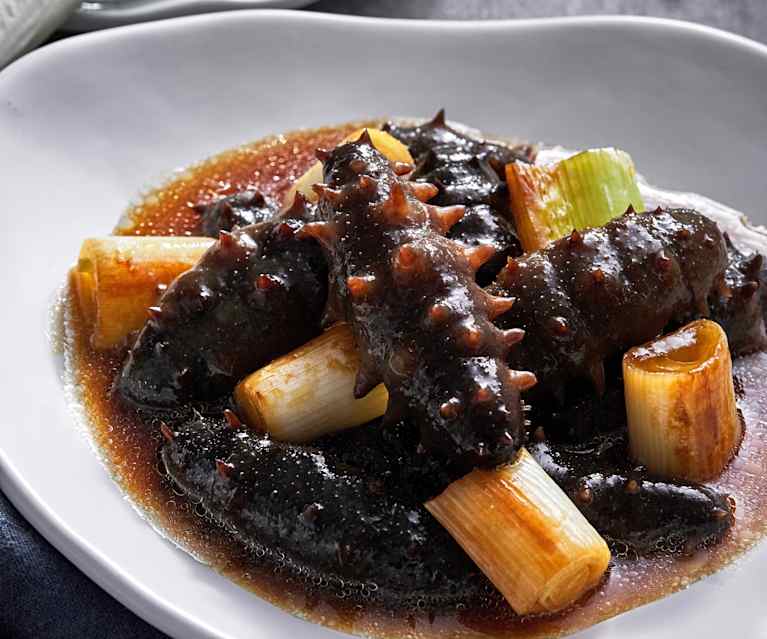
Sea cucumbers, being tasteless, containing sand and a special smell, is hard to cook well. Boiling it with heavy broth is essential. Light broth can’t perform well.
Method 1: For the small and spiked variety, first soak it in water to clear of mud and sand, then boil it with meat broth three times, and simmer it with chicken and pork broth and soy sauce until the texture becomes supple and soft. For best result, add ingredients such as shitake or woodear mushroom to the dish for a coherent black color. Always prepare the dish one day before, to make sure the sea cucumber is cooked through and through.
Method 2: Mr. Chien’s method of making a cold sea cucumber dish in the summertime is praiseworthy – mixing mustard and chicken broth with cold cubed sea cucumber.
Method 3 : Another option to Method 2 is to make thick soup with cubed sea cucumber, cubed bamboo shoots and cubed mushroom, while using chicken broth as the base.
Method 4: Officer Jiang’s household used tofu sheet, chicken thighs and mushrooms to cook with sea cucumber. It turns out great.
Condiments are to food as accessories are to women. Imagine Xishi (a legendary beauty in ancient China) dressed in rags. It would spoil her splendor even with her natural beauty and fine makeup.
An experienced cook would use soy sauce fermented in the summer for its sweetness. Choose raw or roasted fragrant oils discreetly. Select only the wined rice that’s free of bran. Cook with rice vinegar that’s clear.
Note the nuanced differences between the following:
light and thick soy sauce; animal fat and vegetable oil; sweet and sour cooking wine; aged and new vinegar. All of these differences are not to be looked over.
For other familiar condiments, such as green onions, chili peppers, ginger, cinnamon, sugar and salt, although used in small amounts, quality ones are still worth looking for. In searching for quality condiments I found some famous and good ones. Yet to my surprise, one famous vinegar, Zhenjiang, which has a beautiful color, was too mild to be even called a “vinegar”.
Learn it by heart, then put it into practice. Cooking follows the same path.
The Nature of Food
Human beings are born with individual traits, just as every food has its natural qualities and uses. The great teachers, such as Confucius and Mencius, can’t turn a dim-witted student into a scholar, and neither can an inferior ingredient be made great, even one handled by Yi Ya, the legendary chef in history.
Here are the ingredients that are good by nature:
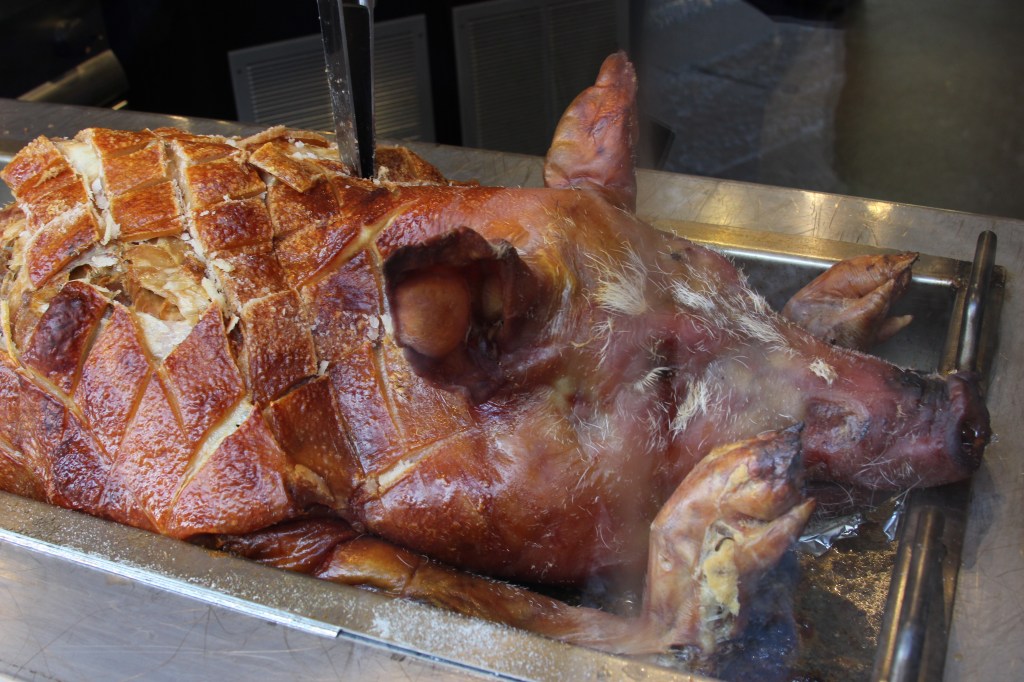
Pigs with thinner skin tend to have less unpleasant, raw, and meaty smell.
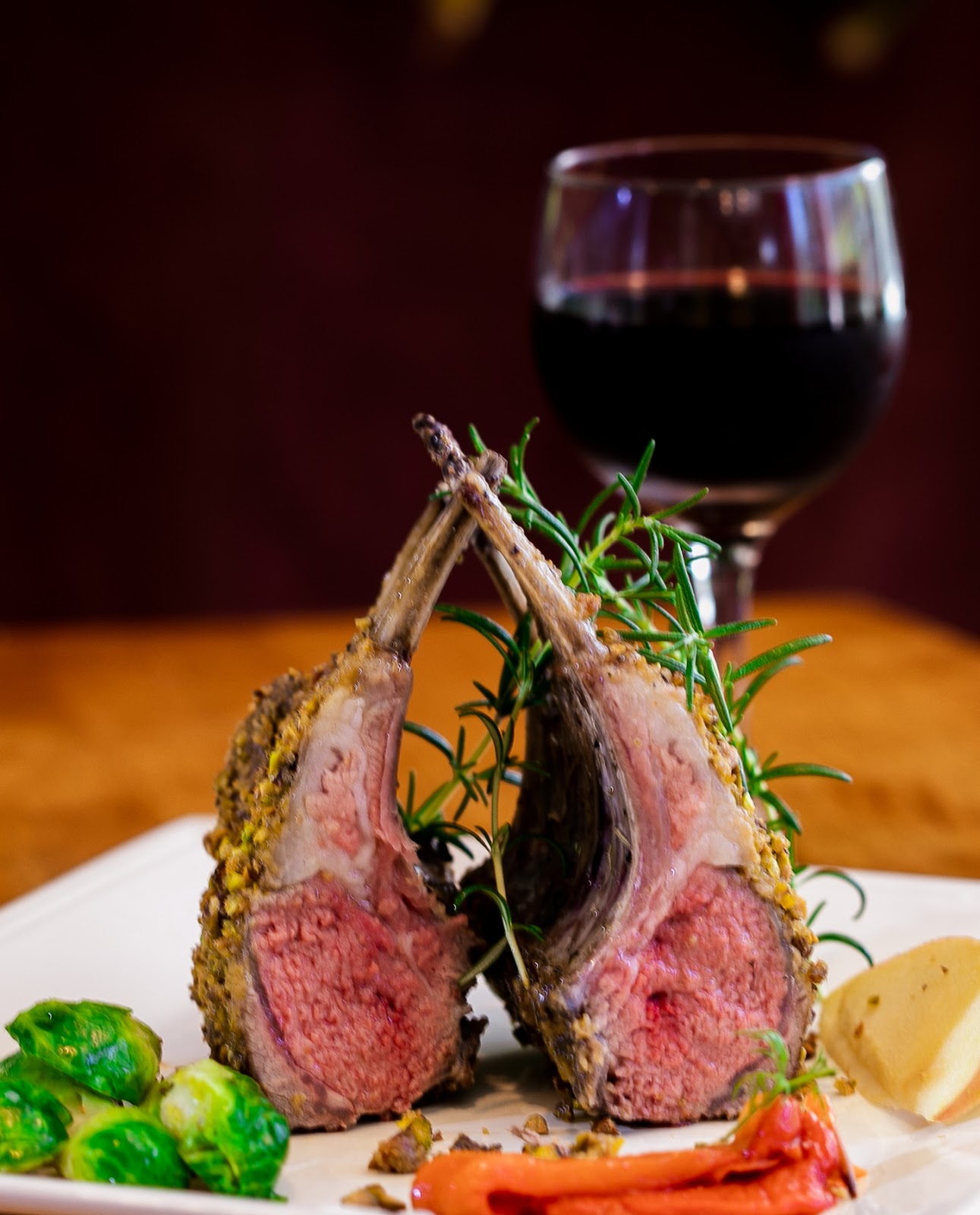
Castrated or poussin chickens tend to render more tender meat. Too old or too young a bird is not as good.
Carps with flat bodies and white bellies are better than black-skinned ones, which would appear hard and stiff on the plates.
Eels from lakes and streams are more desirable. Eels from rivers tend to have tangled, connected bones that could be a hassle.
Grain-fed ducks are plump and white.
Bamboo shoots sprouting from enriched soil have fewer ridges and taste fresher and sweeter.
Fine ham and mediocre ones look as different as the sky and a canyon.
The quality of dried fish fillet could be as different as ice and burning coals.
Overall, a great feast owes 60% of its success to the chef, and 40% to the food buyer.
Simmer the mushrooms to make broth, then let it clarify overnight. The next day, simmer the bamboo shoots , and add noodles to both the bamboo and mushroom broth.
The Monks in Dinghuei Temple of Yangzhou made the best such noodles, but they were unwilling to share the recipe. My method approximates the flavor I remembered. In such cases when the broth appears black, I believe shrimp broth has been used.
For clear mushroom broth, just let it sit and clarify. Never change water for it would render the broth less tasty.
Manchurian cuisine has favored roasted and stewed dishes, while Han cuisine centers more on soupy dishes. People growing up eating and cooking their own style of food cook that particular cuisine the best. When Hans and Manchus play host to each other, it’s wise to showcase their own ethnic food to ensure the quality is not compromised in any way, and to avoid the famous misfortune of imitation — A young man, who tries to imitate the graceful walking style of the people of Han Dan, ends up not being able to walk at all.
Unfortunately, this principle of “knowing your strength and weakness” has been forgotten, and people do the opposite merely to please their guests. When the Hans serve Manchurian cuisine and the Manchus serve Han food, they become superficial imitators of the other. It’s as laughable as an untalented artist who sets out to draw a tiger, but ends up with a dog.
A scholar should study wholeheartedly, aiming for the highest goal until the day he is recognized. If he chooses to imitate the writing style of his master or the examiner at the official examination for quick success, he would become a shallow intellectual and remain anonymous all his life.
Note:
From 1644-1912, Manchus, the conquerors, and Hans, the conquered, lived rather happily until the 20th century when Doctor Sun Yat-sen, a Hawaii trained Han, and his followers overthrew the Qing dynasty in the name of democracy. During the preceding 268 years, a diverse food culture prospered and the collective palates of China rejoiced. The Manchurian Han Complete Course is a royal-like banquet consisting of a dazzling number of dishes, many of which are recipes stolen from the Qing imperial kitchen, as legend has it. Generations of Chinese stand-up comedians have reinvented it into an oral form which puts the speed, clarity, and the memorizing capabilities of the artists to the test. Imagine, one hundred grand-sounding dishes enunciated quickly, flawlessly and with as few rests as possible. Among them are: eight animal treasures from the mountain, eight rare sea creatures, eight fowl treasures and eight treasures from the garden.
Manchurian Han Complete Course (prepared by a restaurant in Hong Kong in 1977 for a Japanese TV show), simulated in the Tao Heung Museum of Food Culture, Fo Tan, Hong Kong (photo credit:
from Costco, $500, including the support, knife and the black coverthe Iberian ham I bought in Jerez in 2018, 9 Euros for 100 gram. Jerez is a small town in southern SpainIberian Pig (online picture)